We solve global problems
A Canadian research centre addressing urgent and complex global problems. We anticipate future crises and identify high-leverage interventions to change humanity's course for the better.
We solve global problems
A Canadian research centre addressing urgent and entangled global problems. We anticipate future crises and identify high-leverage interventions to change humanity's course for the better.
Building the scientific case for HOPE.
We tackle the polycrisis — the interconnected crises facing humanity — and its consequences for complex global systems. We analyze how crises compound in pernicious cascades, and work with frontline actors to trigger virtuous ones.
PROGRAMS



Research & Analysis
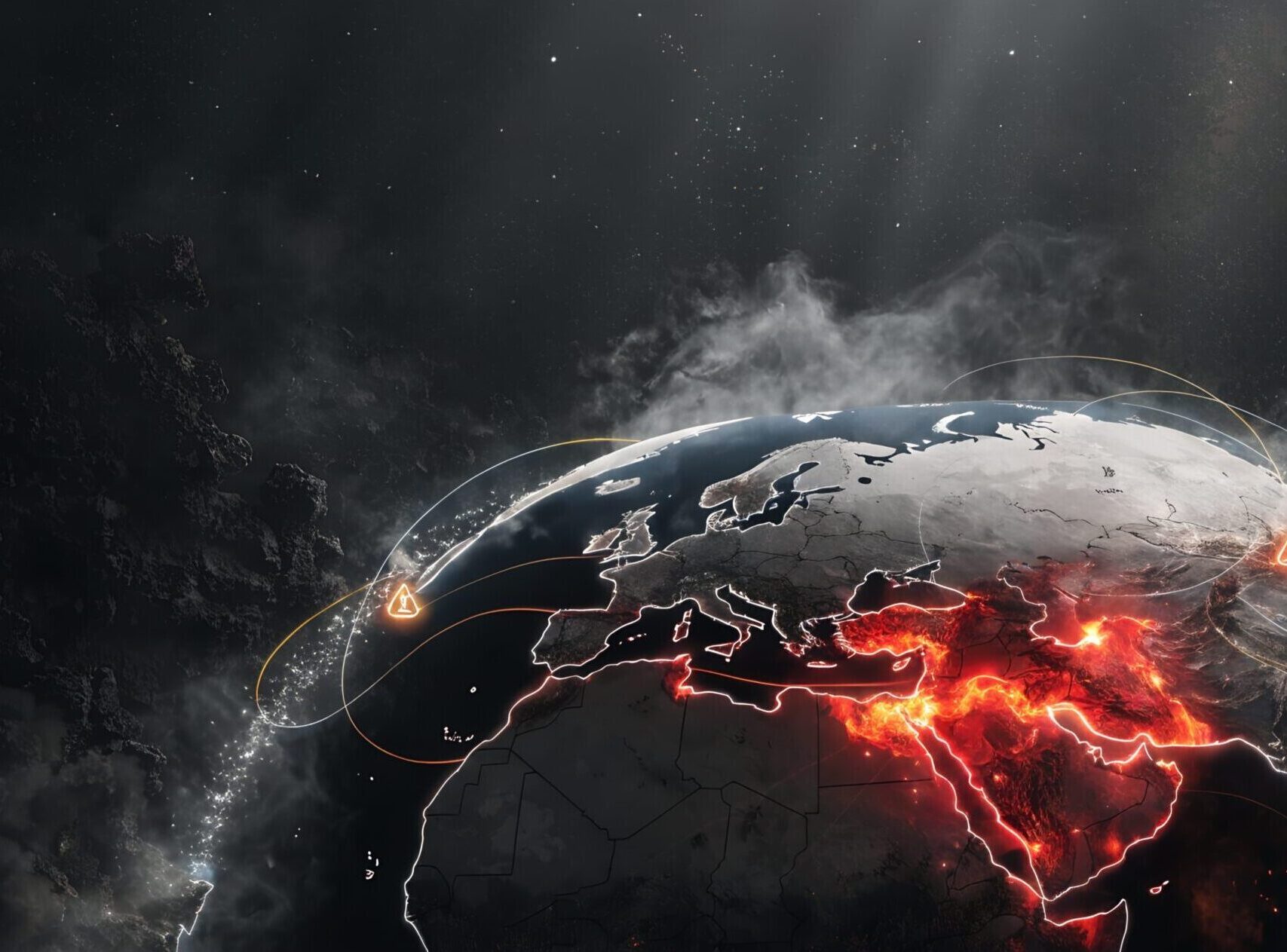
Navigating a Fragmenting World Order – Geopolitical and Geoeconomic Risks for Canadian Financial Institutions
Polycrisis program
Christopher Collins
Canadian financial institutions face a fragmenting global order shaped by geopolitical rivalry, economic coercion, trade fragmentation, sanctions and growing conflict risks.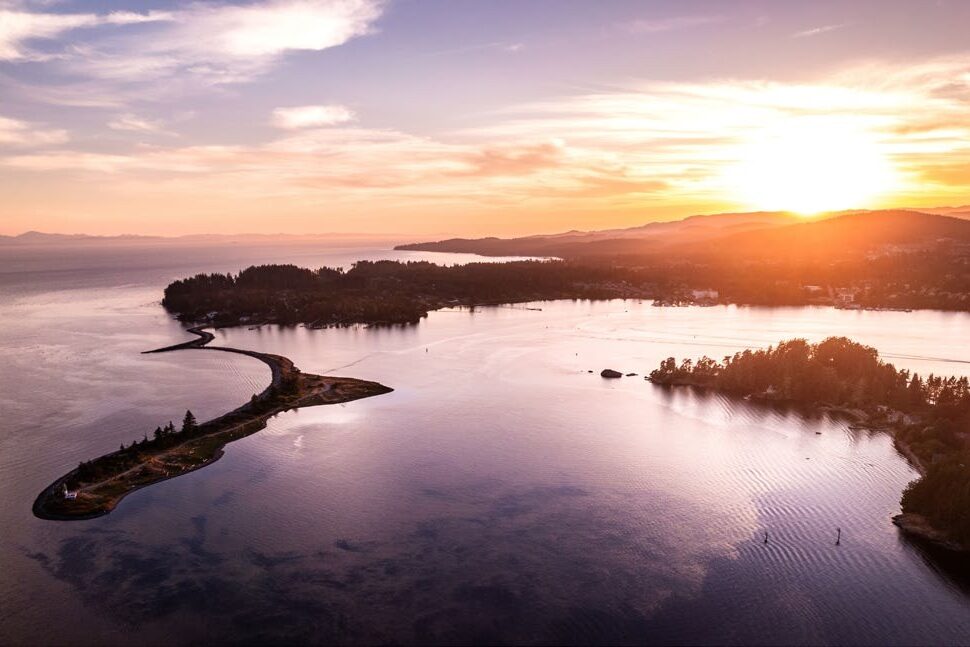
Together for Sooke
Scale-up & Acceleration program
Shandell Houlden, Seth Elza
What Sooke residents said about their community, and what could come next, from the “Together for Sooke” community dialogue pilot.
Global Systemic Stresses: Understanding the drivers of polycrisis
Polycrisis program
Michael Lawrence, Megan Shipman, and Chris Collins
A Global Risk Institute research report of the longer-term systemic stresses driving the polycrisis.
Catastrophic Dehumanization: A formal model
Democracy program
Thomas Homer-Dixon
A formal model that seeks to explain the causal mechanisms of sudden dehumanization in situations of extreme conflict.
Defending Canada’s Democracy
Democracy program
Cascade Institute fellows and staff
A strategic framework for building Canada's economic and social resilience.
Deep Listening: Assessing the social acceptance of geothermal energy
Deep Geothermal program
Katherine Matos Meza and Carlos Gorraez Meraz
The first empirical assessment of public perceptions and social acceptance of ultradeep geothermal energy in Alberta and British Columbia.
Catastrophic Dehumanization: A formal model
Democracy program
Thomas Homer-Dixon
A formal model that seeks to explain the causal mechanisms of sudden dehumanization in situations of extreme conflict.News & Views
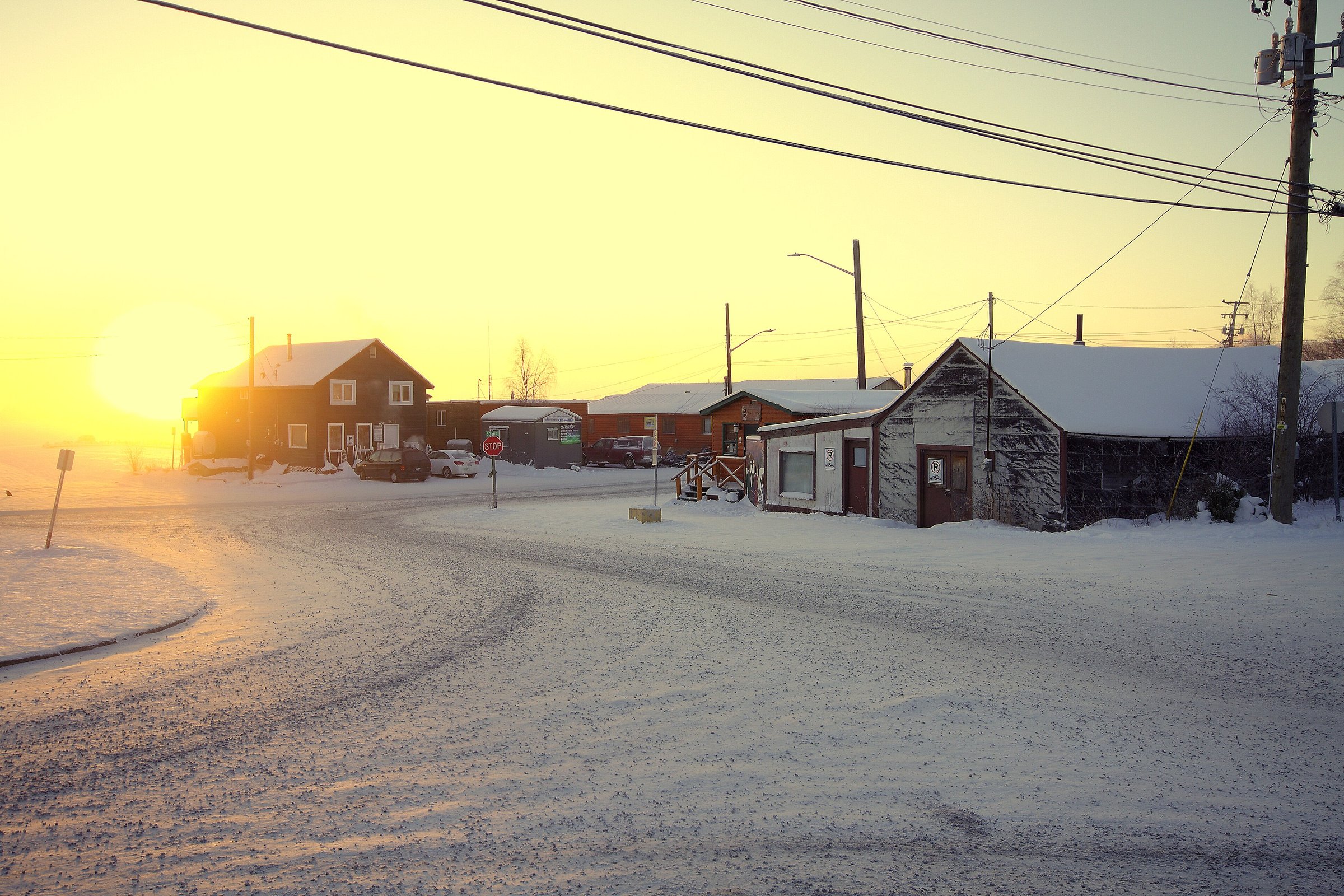
Yellowknife can become an energy powerhouse through geothermal
Jax Jacobsen and Emily Smejkal
Yellowknifer
With the Ekati diamond mine closing early, geothermal power from the South Slave could give Yellowknife the stable, affordable energy it needs to build a new economy.

The State of AI Global Governance and Its Implications for the U.S.-China Summit
Christopher Collins
CSIS
A new report maps the contest between U.S.- and Chinese-led visions for governing AI, ahead of landmark U.S.-China talks on AI safety.
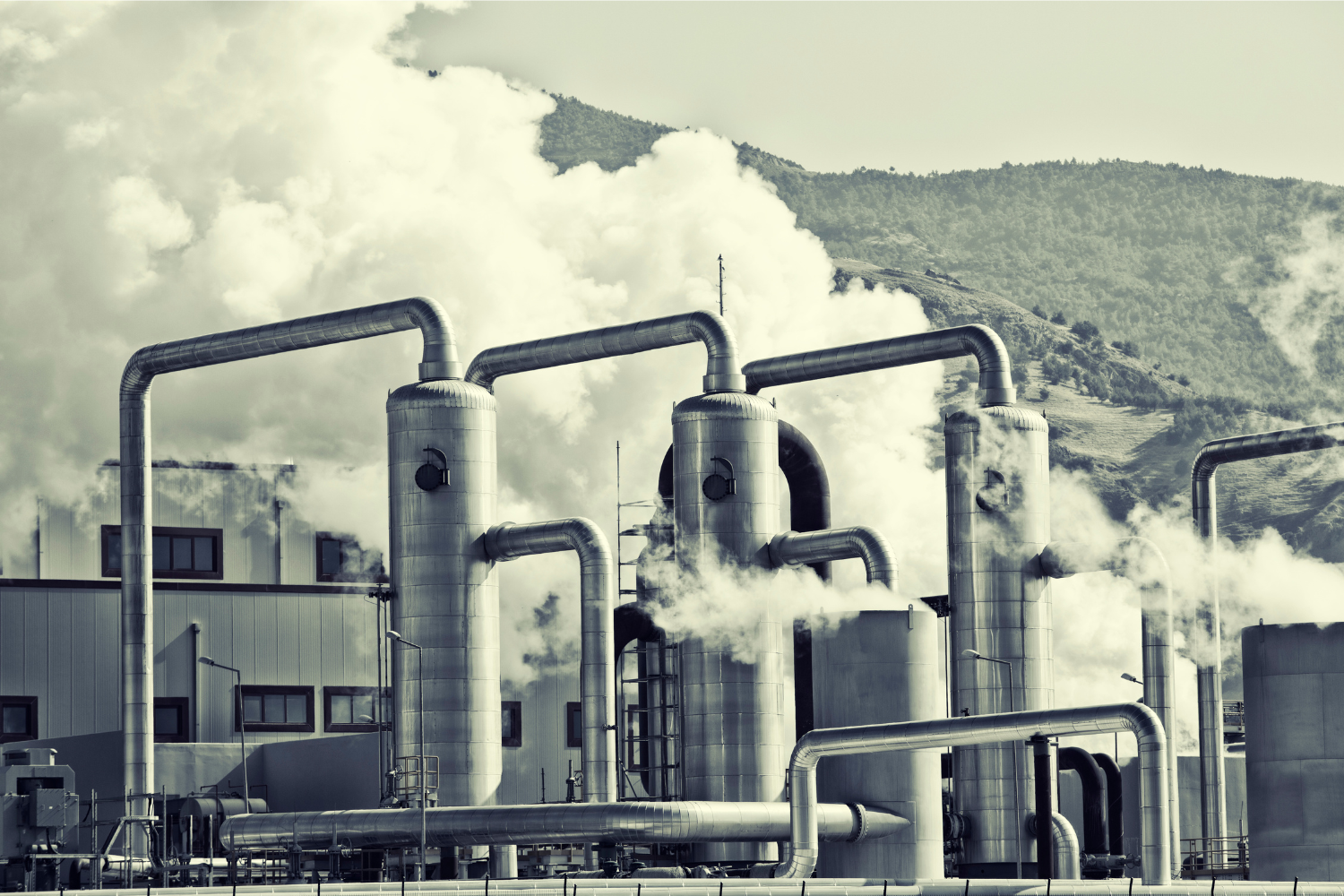
Webinar: Beneath the surface — Social acceptance of geothermal systems in Western Canada
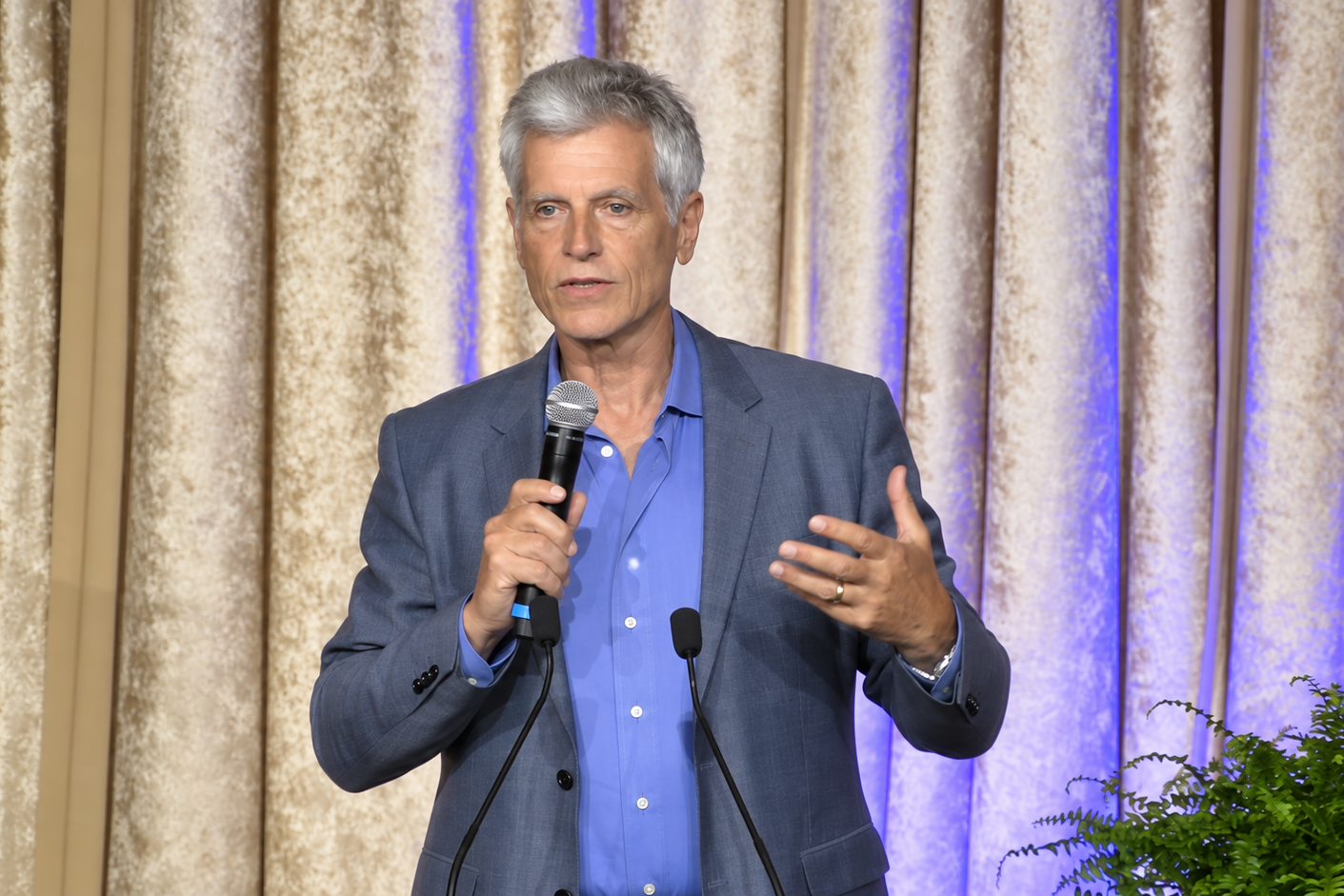
Thomas Homer-Dixon delivers Victoria Forum plenary on polycrisis and hope
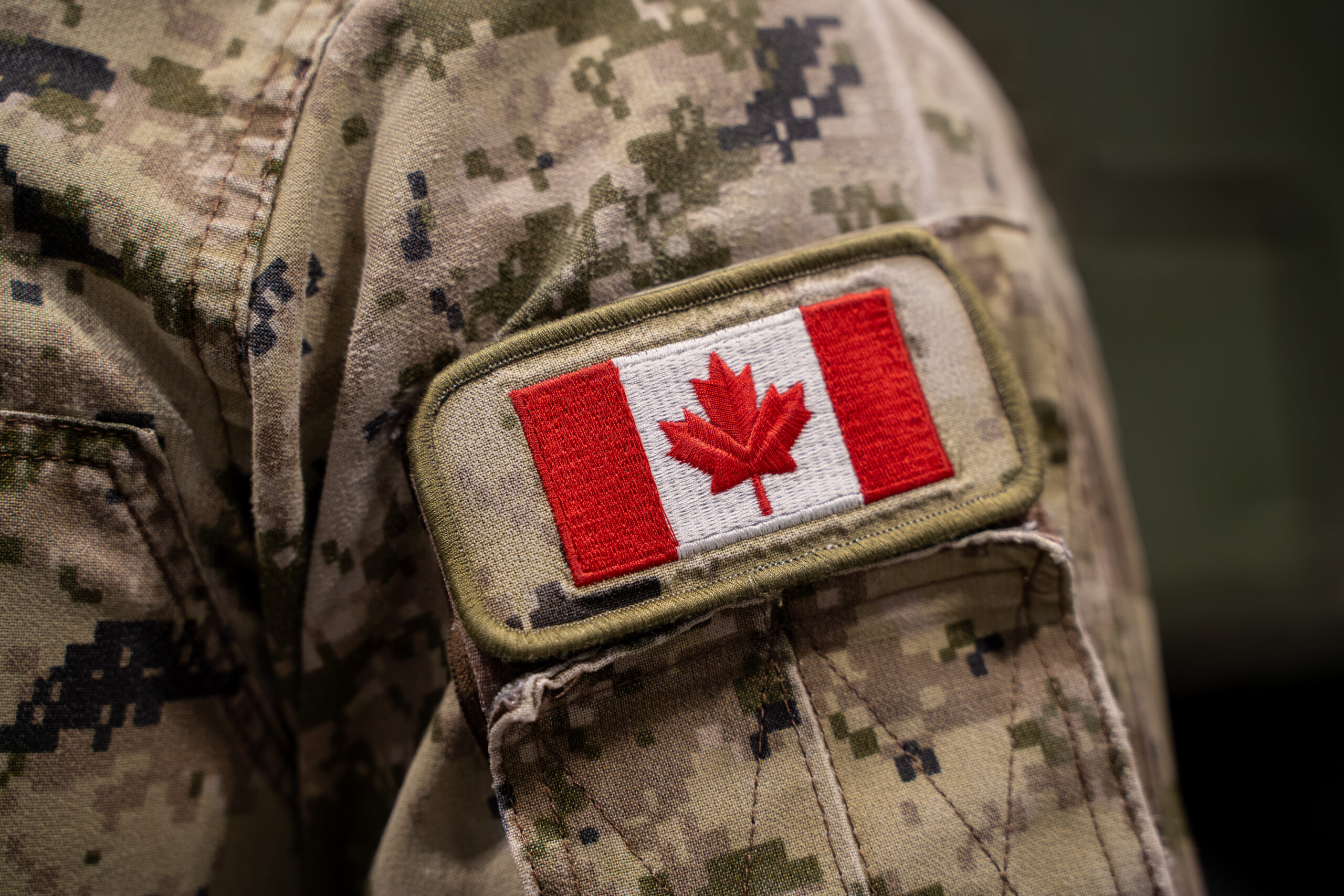
How stiff is Canada’s spine? A poll suggests we may be ready to sustain the costs of our newfound defiance
Thomas Homer-Dixon and Toby Shannan
The Globe and Mail
Polling data shows most Canadians across the political spectrum are rallying round the Maple Leaf.
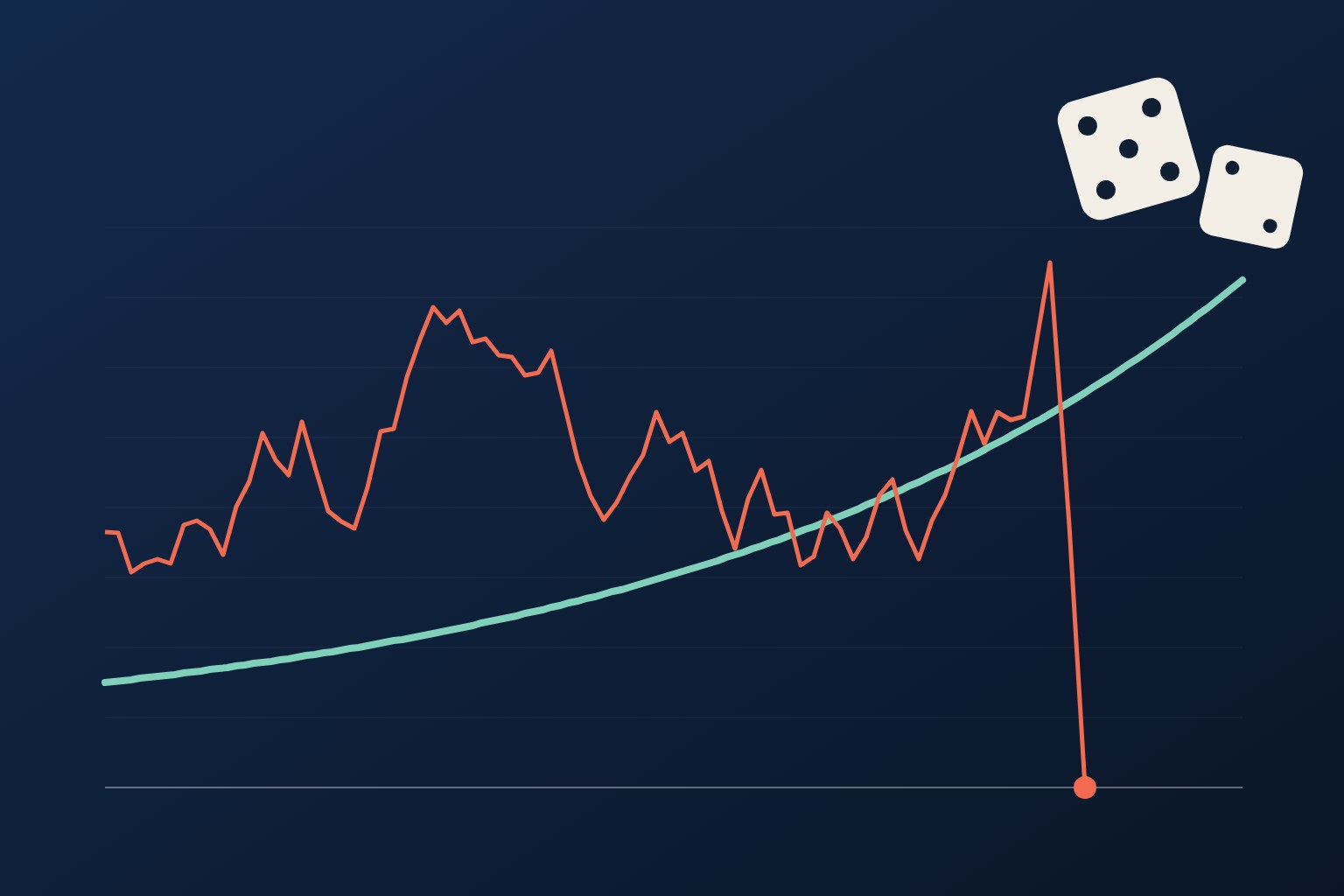
Wealthsimple’s pivot into risky business reflects young Canadians’ financial nihilism
Christopher Collins
The Globe and Mail
Wealthsimple’s move into prediction markets is responding to real demand, and that demand says something troubling about how young Canadians see their economic future.
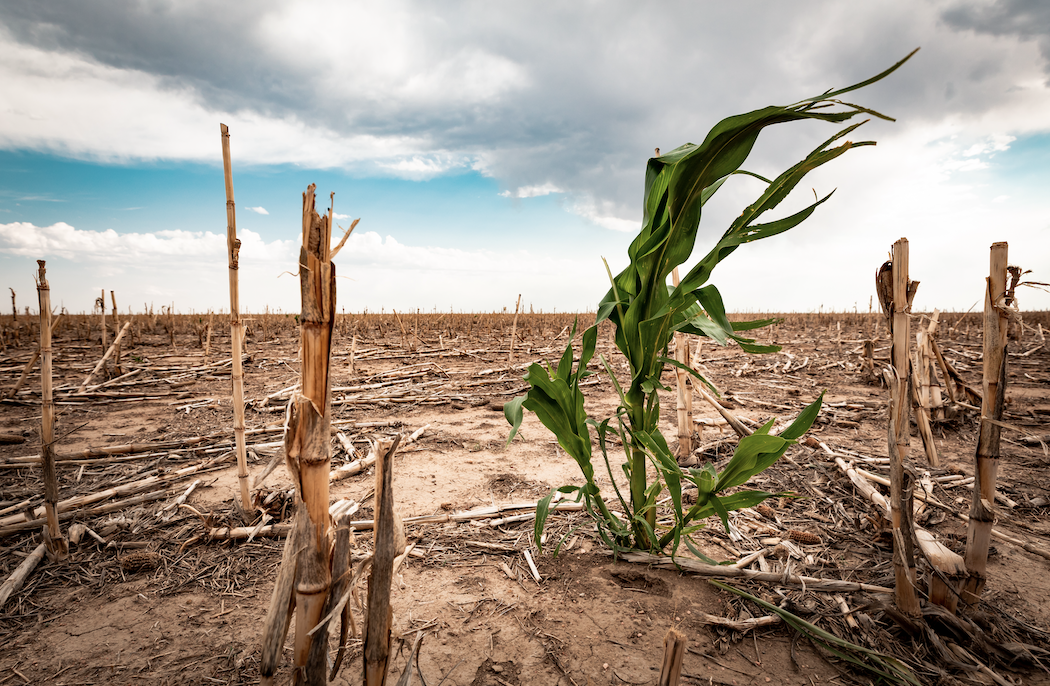
Cascade researchers warn of “bad-to-worse” crises in The New Republic
Thomas Homer-Dixon and Christopher Collins
The New Republic
The knock-on effects from the Iran war are intersecting with other crises and destabilizing the world. The worst may be yet to come.
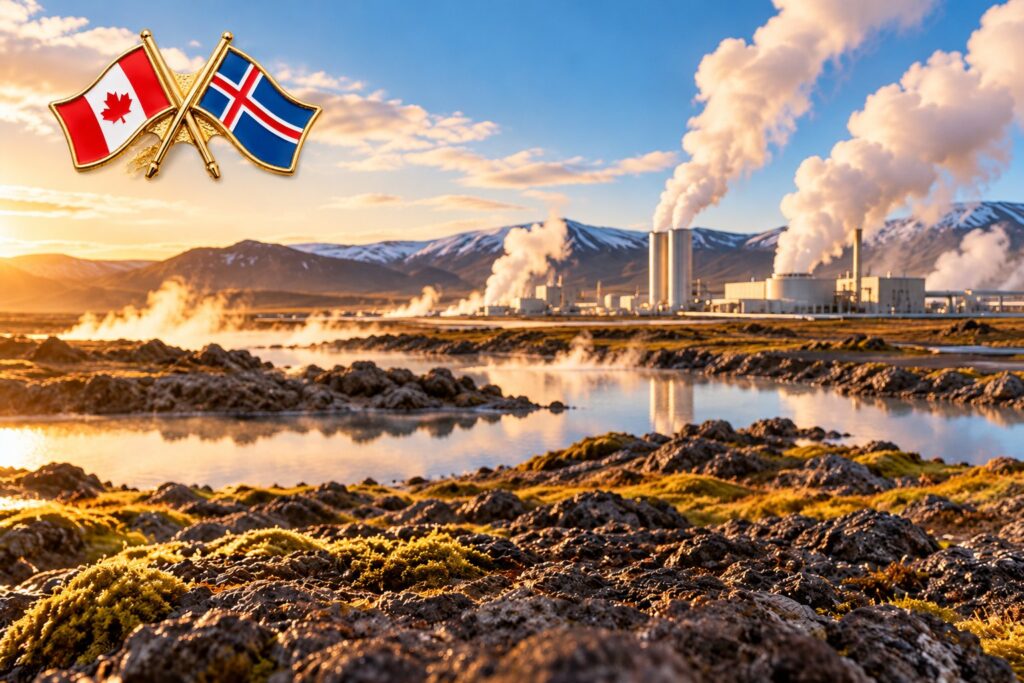
Canada and Iceland deepen geothermal ties

The State of AI Global Governance and Its Implications for the U.S.-China Summit
Christopher Collins
CSIS
A new report maps the contest between U.S.- and Chinese-led visions for governing AI, ahead of landmark U.S.-China talks on AI safety.
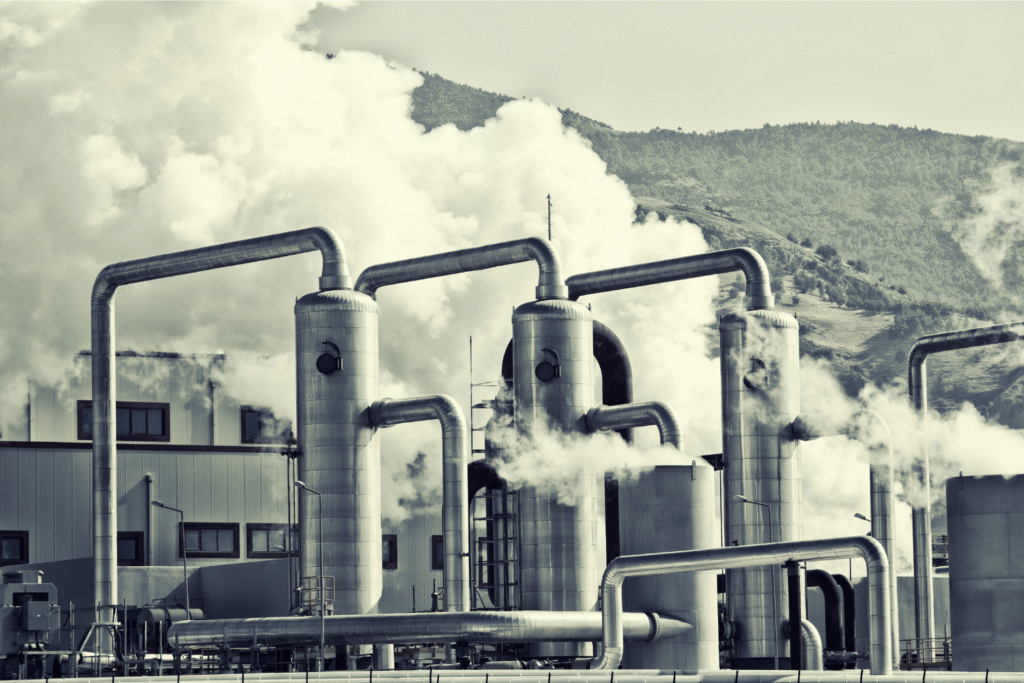
Webinar: Beneath the surface — Social acceptance of geothermal systems in Western Canada